Validation of a Semi-Automated Method
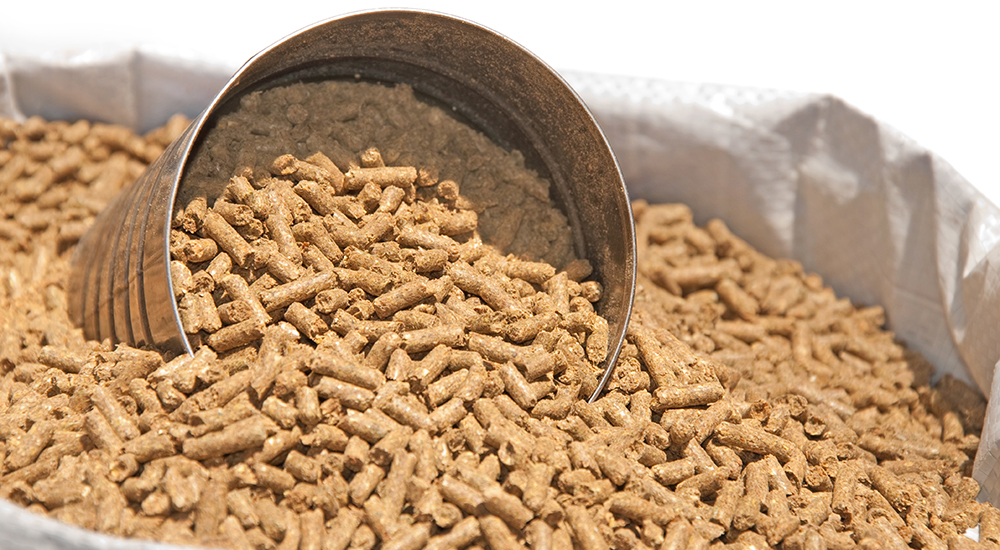
A study, published in the “Journal of Pharmacy and Pharmacology”, aimed to develop and validate a proximal chemistry analytical procedure using semi-automated equipment for fat analysis in food samples, primarily corn-based animal feed, following AOAC methods.
The purpose was to ensure the method's reliability, consistency, and robustness while leveraging the advantages of semi-automation over traditional techniques.
Key benefits of semi-automated equipment included reduced analysis time, lower energy consumption, decreased waste production, and enhanced efficiency. The validation process involved testing parameters like precision, reproducibility, and robustness across different sample weights and hydrochloric acid concentrations.
Results showed no significant variation in outcomes between analysts, days, or conditions, with coefficients of variation (CV) below 39%, meeting acceptance criteria. Statistical analysis (ANOVA) confirmed minimal differences between traditional and semi-automated methods, both yielding reliable results. The study concluded that semi-automated equipment offers significant advantages for food and pharmaceutical industries, improving productivity and reducing costs while maintaining analytical accuracy and traceability, making it a valuable tool for proximal analysis.
OPSIS LiquidLINE HydROC and SoxROC instruments were used in the research.